
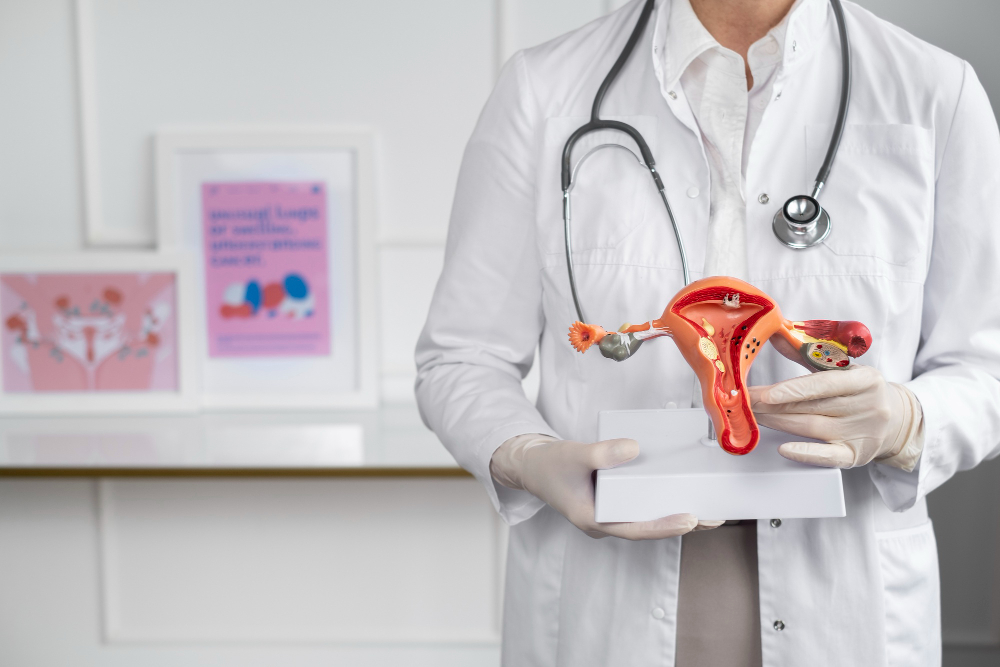
What Are Uterine Fibroids?
Uterine fibroids are non-cancerous growths that form in or on the uterus. Many women develop these growths during their childbearing years. However, not all women have symptoms. Uterine fibroids can vary in size, from very small to large masses. Sometimes, they can cause discomfort or other health issues. According to the CDC, fibroids are common and often harmless. Still, they may need treatment if they cause problems.
Common Symptoms of Uterine Fibroids
Many women with uterine fibroids have no symptoms. Yet, some may notice changes in their body. For example, symptoms can depend on the size, number, and location of the fibroids. Below are common signs to watch for:
Sometimes, fibroids can also cause swelling in the abdomen. If you notice any of these symptoms, it is wise to talk to your doctor.
Causes and Risk Factors
Doctors do not know the exact cause of uterine fibroids. However, several factors may increase your risk. For instance, hormones like estrogen and progesterone seem to play a role. These hormones help the lining of the uterus grow during each menstrual cycle. They may also help fibroids grow. Here are some common risk factors:
Even though these factors may raise your risk, anyone can develop fibroids. Therefore, regular check-ups are important.
How Uterine Fibroids Are Diagnosed
Doctors use several methods to diagnose uterine fibroids. First, they may ask about your symptoms and medical history. Next, a pelvic exam can help find changes in the shape of your uterus. If needed, your doctor may order tests such as:
With these tests, doctors can confirm if you have fibroids and plan the best treatment.
Treatment Options for Uterine Fibroids
Treatment for uterine fibroids depends on your symptoms, age, and plans for pregnancy. Some women do not need treatment if they have mild or no symptoms. However, if fibroids cause problems, several options are available:
Medical Treatments
Surgical Treatments
Lifestyle Changes
Each treatment has benefits and risks. Therefore, it is important to discuss options with your doctor.
Prevention and Self-Care Tips
While you cannot always prevent uterine fibroids, some steps may help lower your risk. For example, healthy habits can support your overall well-being. Try these tips:
Even though these steps may not prevent all fibroids, they can help you stay healthy.
When to See a Doctor
It is important to know when to seek medical help. If you have heavy periods, severe pain, or trouble getting pregnant, see your doctor. Also, if you notice a sudden change in your symptoms, do not wait. Early diagnosis and treatment can prevent problems. According to the CDC and WHO, regular check-ups are key for women’s health.
If you have questions or concerns about uterine fibroids, consult a gynecologist for personalized advice.